What Separates a Good Tube Amp from the Right One
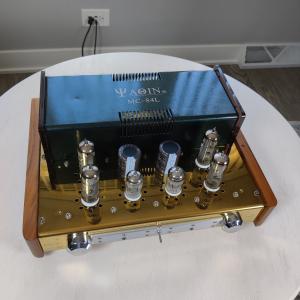
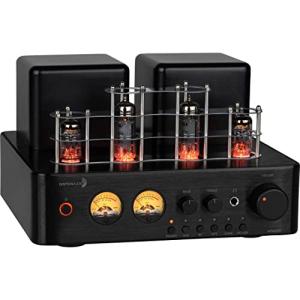
Walk into any serious recording studio or high-end listening room and you'll notice something: the tube amplifier sitting in the rack or on the shelf rarely ended up there by accident. Professionals spend real time — sometimes years — narrowing down exactly what they need. The good news is that their decision-making process isn't mysterious. It follows a clear set of priorities that anyone researching tube amplifiers can apply immediately.
Output Power Is Not the Same as Loudness
One of the first mistakes newcomers make is chasing wattage. A 100-watt tube amplifier and a 100-watt solid-state amplifier are genuinely different animals. Tube amps typically run in Class A or Class AB configurations, and they clip differently — more gradually, more harmonically, in a way many ears find pleasing rather than harsh.
Professionals match output power to their speakers' efficiency rating, not to the size of the room. A speaker rated at 100dB sensitivity will hit serious volume with a single-ended triode amp putting out 8 watts. That same 8-watt amp paired with a 87dB speaker will struggle. Before picking an amplifier, know your speakers' sensitivity spec. This single step eliminates dozens of options from the shortlist and clarifies exactly what power range actually makes sense.
Topology Shapes the Sound — Choose Deliberately
Experienced buyers think about circuit topology early in the process. The main choices are:
- Single-ended triode (SET) — very low power, typically 2–15 watts, but known for exceptional midrange clarity and a direct, intimate sound. Popular with jazz and acoustic music listeners.
- Push-pull — more output power, better bass control, slightly more neutral character. Pentode tubes like the EL34 or KT88 are common here and give amplifiers their own distinct sonic personality.
- Integrated vs. separate pre/power stages — an integrated amplifier handles everything in one chassis, which simplifies setup and often sounds cohesive. Separates give more flexibility but introduce more variables.
Professionals don't choose topology based on trend or reputation. They audition, compare, and decide based on what sounds right for their specific application — whether that's mastering audio, live guitar performance, or home listening.
The Output Transformer Is Where the Money Goes
If there's a single component that separates a competent tube amplifier from a truly great one, it's the output transformer. This is often the last thing a newcomer thinks about and the first thing a professional inspects. A poorly wound transformer squashes dynamics, loses high-frequency extension, and makes the bass sound woolly and undefined.
When evaluating an amplifier — whether new, vintage, or a kit build — ask about the transformer manufacturer or specification. Quality transformers are expensive to produce. When a manufacturer cuts costs somewhere, it's almost always here. Amplifiers that list transformer specifications openly, including bandwidth and core material, are generally worth a longer look. Those that stay vague about it often do so for a reason.
Tube Availability and Rolling Matter More Than You Think
A tube amplifier is only as good as the tubes inside it — and tubes wear out. Professionals factor in the long-term serviceability of any amplifier they buy. An amplifier running common tubes like the 12AX7, EL34, 6L6, or KT88 will always be easy to retube and maintain. Amplifiers built around rare or discontinued types can become expensive headaches over time.
Tube rolling — swapping in different tube brands or types to shift the amplifier's character — is also a real and practical tool. A KT88 tube rolled in place of a 6550 can soften the top end slightly, or add weight to the midrange. Professionals use this flexibility intentionally. Choosing an amplifier with a common, versatile tube complement gives you that option rather than locking you in.
The pattern that emerges from how experienced users choose tube amplifiers is consistent: they start with speakers, settle on topology, investigate the transformer quality, and check long-term tube availability. Follow that sequence and you'll avoid the most common mistakes, spend your money where it actually matters, and end up with an amplifier you genuinely want to keep.
Ready to shop? Browse a wide selection of tube amplifiers on eBay: View current listings